Below we summarise our high-level interests together with specific research directions.
More
For example, we develop methods for multi-model merging, LLM jailbreaking, certified training, or differentiable programming.

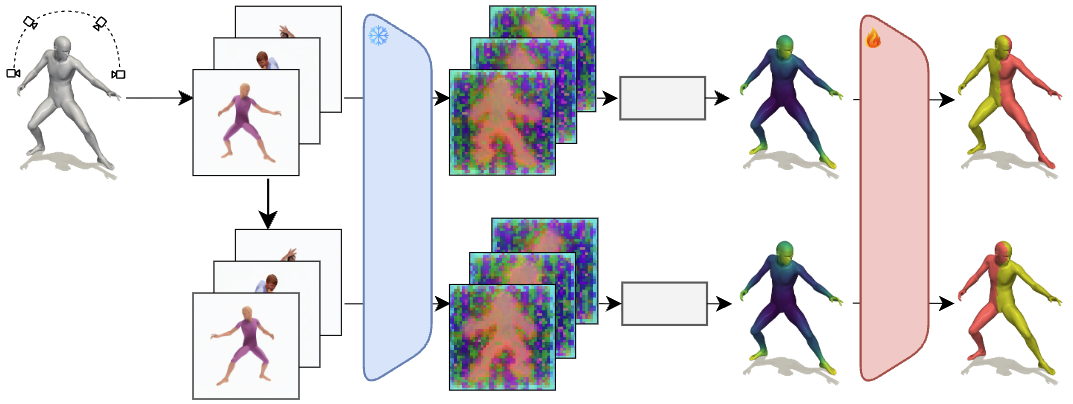
More
Examples include generative models based on hyper networks and diffusion, self-supervised symmetry understanding, self-supervised foundation model fine-tuning for partial 3D shapes, 3D shape matching benchmarks, globally optimal and geometrically consistent 3D shape matching, and statistical shape models.
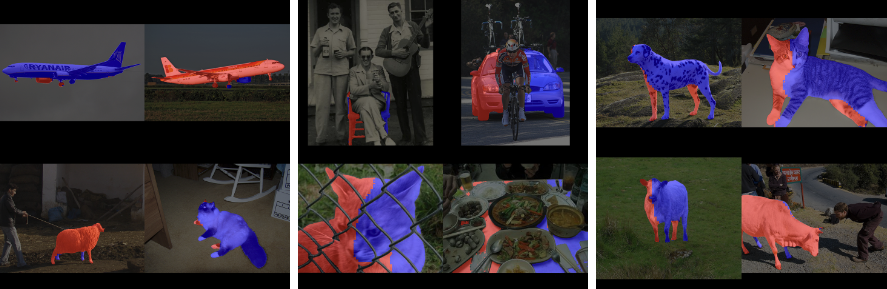
More
Theoretical guarantees include global optimality, cycle consistency or neural network robustness.
For example, we develop globally optimal methods for 3D shape matching, 2D-3D matching, or sparse optimisation over the Stiefel manifold. We develop methods that achieve cycle consistency for multi-graph matching and multi-alignment, for example through higher-order projected power iterations, non-negative matrix factorisation, or convex relaxations. We also tackle certified neural network training.
More
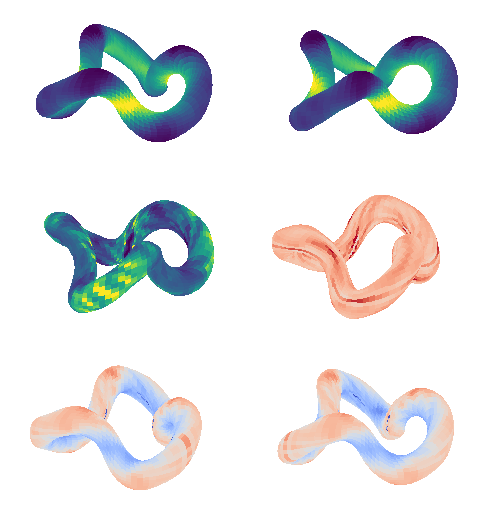
For example, we are working on designing stellerator geometries for nuclear fusion based on physics simulation. Also, we are interested in designing mechanical meta-materials through geometry optimisation.
More
Examples include
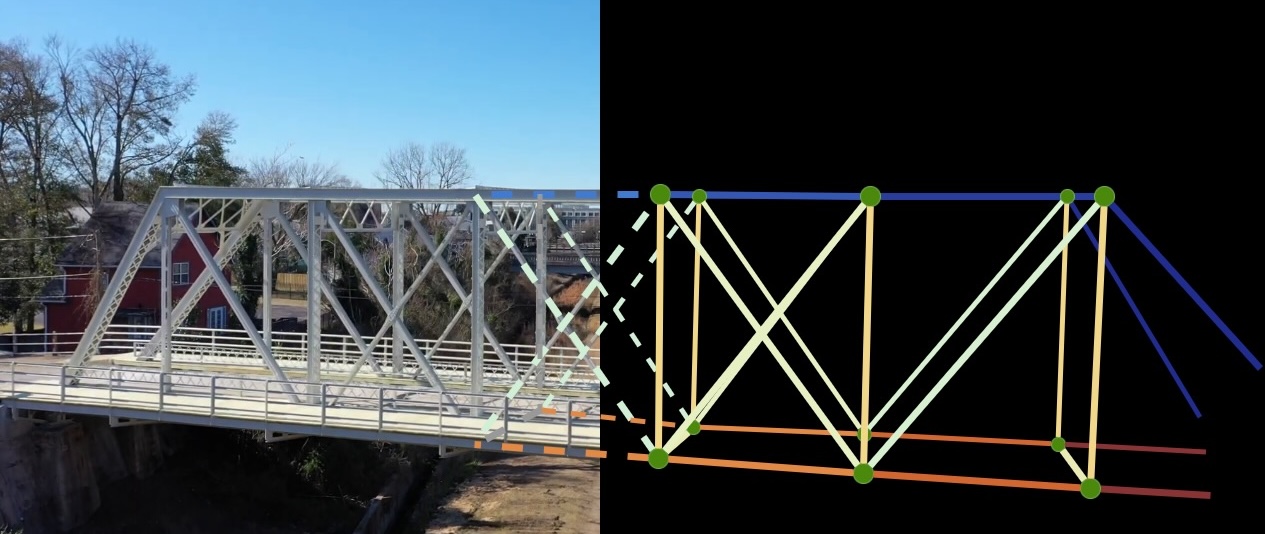
image-driven physically plausible 4D generation, or physics inference and physics-based video editing.

More
We work on image correspondences, graph matching, multi-graph matching, 3D shape matching, multi-shape matching, etc.
More
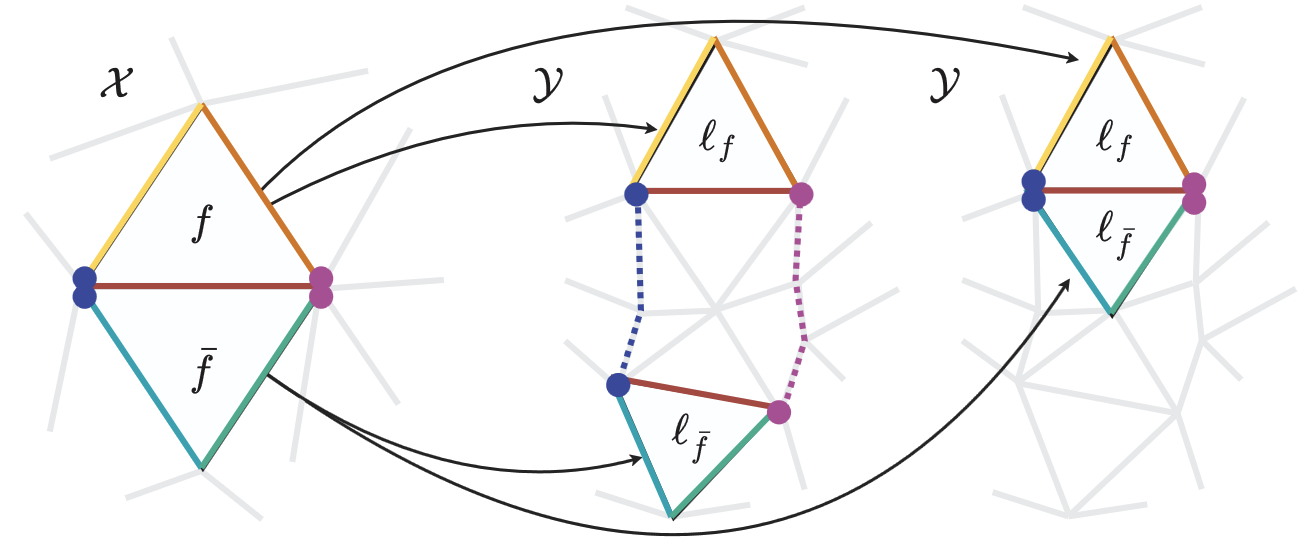
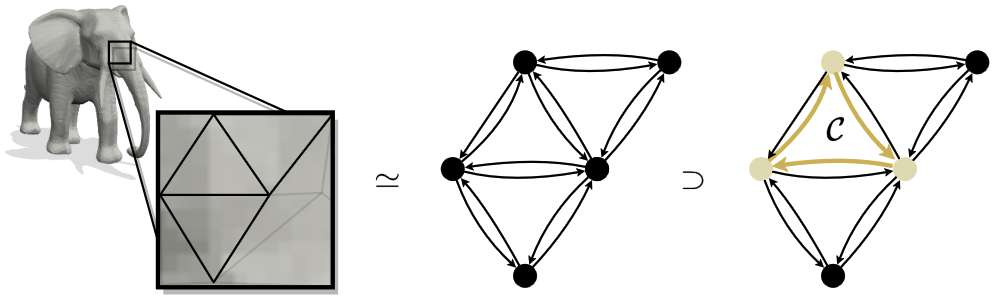
For example, numerous variants of matching problems can be addressed by finding shortest paths in product graphs, e.g. 2D-to-3D shape matching, graph-to-image matching, or 3D shape matching.
More
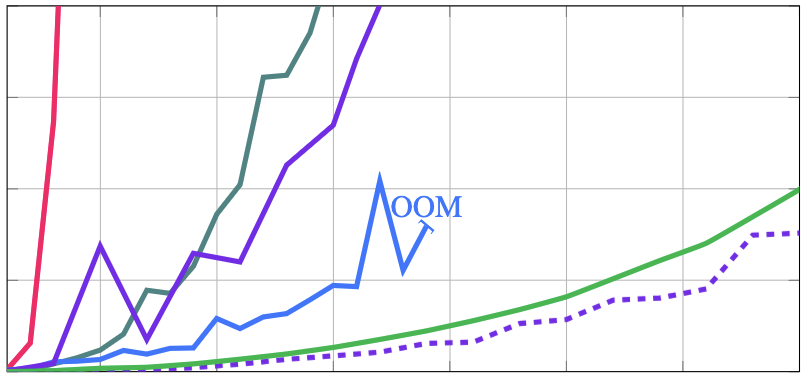
For example, we develop scalable algorithms for 3D shape matching, multi-graph matching, multi-shape matching, matrix synchronisation, or sub-label accurate energy minimisation.
More
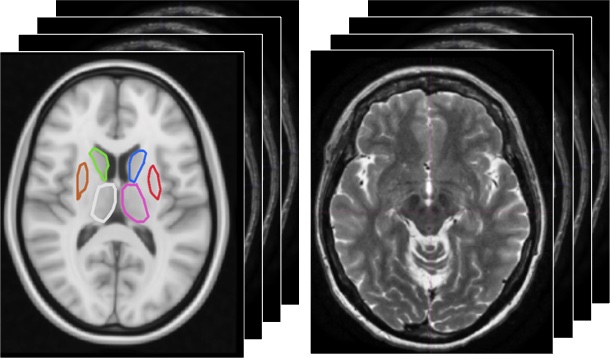
Examples of applications include medical shape models, bioimaging, 3D reconstruction and real-time tracking of interacting hands, morphable head models, and portrait image editing.